

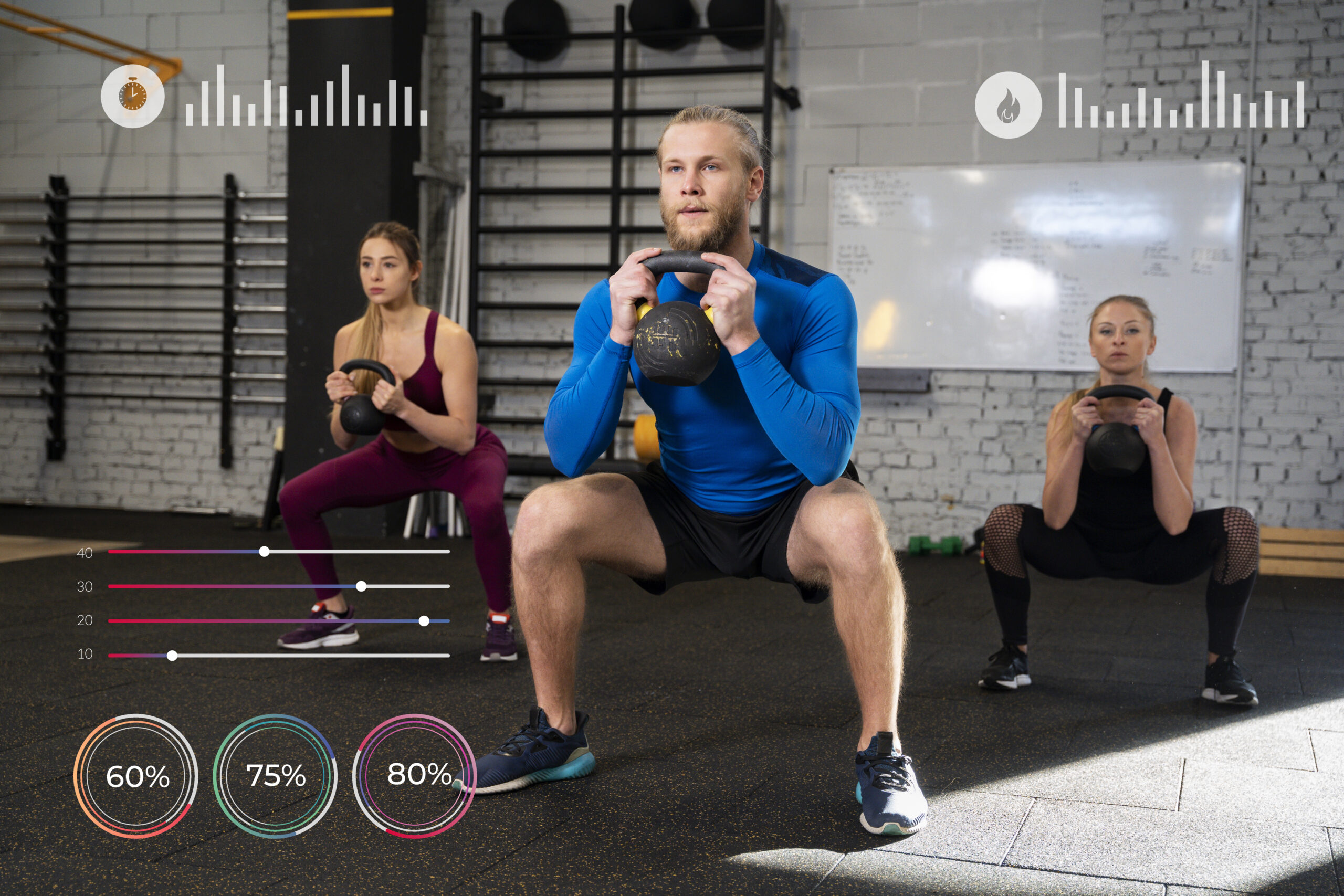
Strength is one of the most fundamental physical qualities in human performance. In fitness, bodybuilding, and general sport, strength is not only about lifting heavy weights—it is a multidimensional capacity that influences movement efficiency, injury resilience, metabolic health, and athletic dominance. Understanding strength from both a physiological and practical perspective allows athletes and recreational lifters alike to optimize training outcomes.
1. What Is Strength?
In the context of exercise science, strength is defined as the ability of a muscle or group of muscles to produce force against resistance. This can manifest in several forms:
- Maximal strength: The highest force that can be generated in a single effort (e.g., one-rep max squat).
- Explosive strength (power): The ability to generate force quickly (critical in sprinting, jumping, and Olympic lifts).
- Strength endurance: The capacity to sustain repeated muscular contractions over time.
Each type plays a different role depending on the sport or training goal.
2. The Role of Strength in Fitness
In general fitness, strength serves as the backbone of physical capability. It enhances:
- Functional movement: Everyday tasks like lifting, carrying, and climbing become easier.
- Joint stability: Strong muscles support joints, reducing injury risk.
- Metabolic health: Increased muscle mass improves insulin sensitivity and resting metabolic rate.
- Posture and mobility: Balanced strength prevents muscular imbalances and improves alignment.
Strength training is therefore not optional—it is essential for long-term health and performance.
3. Strength in Bodybuilding
In bodybuilding, strength has a slightly different role compared to performance sports. While aesthetics—muscle size, symmetry, and definition—are the primary goals, strength is the driver of hypertrophy.
Key Relationship: Strength → Tension → Growth
Muscle growth (hypertrophy) is largely stimulated by mechanical tension, which is best achieved through progressive overload. This means:
- Increasing weight over time
- Improving lifting efficiency
- Enhancing neuromuscular coordination
Stronger muscles can handle heavier loads, which increases training stimulus. However, bodybuilding does not require maximal strength in the same way powerlifting does. Instead, it emphasizes:
- Moderate to heavy loads (6–15 reps)
- Controlled tempo
- High training volume
Thus, strength in bodybuilding is a means to an end, not the end itself.
4. Strength Across Different Sports
Strength is a universal requirement in sport, but its expression varies:
a. Endurance Sports (e.g., running, cycling)
- Strength improves efficiency and reduces fatigue.
- Helps maintain form under prolonged stress.
- Prevents overuse injuries.
b. Team Sports (e.g., football, basketball)
- Enhances speed, acceleration, and collision resistance.
- Improves agility and directional changes.
- Supports repeated high-intensity efforts.
c. Combat Sports (e.g., boxing, MMA)
- Strength contributes to striking power and grappling control.
- Core strength is critical for force transfer.
d. Strength Sports (e.g., powerlifting, weightlifting)
- Strength is the primary performance metric.
- Training is highly specific and structured.
In all cases, strength acts as a foundation upon which other physical qualities are built.
5. Physiological Basis of Strength
Strength development is driven by two primary adaptations:
a. Neural Adaptations
Early strength gains are largely neurological:
- Improved motor unit recruitment
- Better synchronization of muscle fibers
- Reduced inhibitory signals from the nervous system
This explains why beginners get stronger quickly without significant muscle growth.
b. Muscular Adaptations
Over time, hypertrophy becomes more significant:
- Increase in muscle fiber size
- Enhanced contractile protein density
- Structural changes in connective tissue
Both adaptations are essential, but their contribution depends on training style.
6. Training Principles for Building Strength
To develop strength effectively, several core principles must be applied:
Progressive Overload
Gradually increasing resistance or training demand is non-negotiable. Without progression, the body has no reason to adapt.
Specificity
Training must match the goal:
- Heavy, low-rep training (1–5 reps) for maximal strength
- Moderate reps for hypertrophy
- Explosive movements for power
Recovery
Strength gains occur during recovery, not during training. Adequate sleep, nutrition, and rest days are crucial.
Consistency
Long-term adaptation requires sustained effort. Sporadic training yields minimal results.
7. The Importance of Technique
Strength is not just about force production—it is also about efficient force application. Proper technique:
- Maximizes performance
- Reduces injury risk
- Ensures targeted muscle activation
For example, a technically sound squat distributes load across the hips, knees, and core, whereas poor form can overload the lower back.
8. Nutrition and Strength
Strength development is heavily influenced by nutrition:
Protein Intake
- Essential for muscle repair and growth
- Recommended: ~1.6–2.2 g per kg of body weight
Energy Balance
- Caloric surplus supports maximal strength and hypertrophy
- Caloric deficit may limit strength gains but can maintain them with proper training
Micronutrients
- Minerals like magnesium and zinc support muscle function
- Hydration affects performance and recovery
9. Common Misconceptions
“Strength training makes you bulky”
Not necessarily. Muscle growth depends on training style and diet. Strength training alone does not guarantee large muscle size.
“Cardio and strength are incompatible”
They can coexist if programmed correctly. Many athletes successfully develop both.
“More weight is always better”
Quality of movement and control are equally important. Excessive load with poor form increases injury risk.
10. Strength as a Lifelong Asset
One of the most important aspects of strength is its relevance across the lifespan. As people age:
- Muscle mass naturally declines (sarcopenia)
- Bone density decreases
- Functional capacity is reduced
Strength training counteracts these effects, preserving independence and quality of life. It is one of the most powerful tools for healthy aging.
Conclusion
Strength is a central pillar in fitness, bodybuilding, and all forms of sport. It enhances physical performance, supports muscle growth, protects against injury, and contributes to overall health. Whether the goal is aesthetic improvement, athletic excellence, or general well-being, developing strength should be a priority.
Rather than viewing strength as simply “lifting heavy,” it should be understood as a complex and adaptable quality—one that integrates neural efficiency, muscular development, and technical mastery. When trained intelligently and consistently, strength becomes not just a physical attribute, but a long-term investment in performance and resilience.
[…] Foundations, Adaptations, and Performance Across Sport […]